
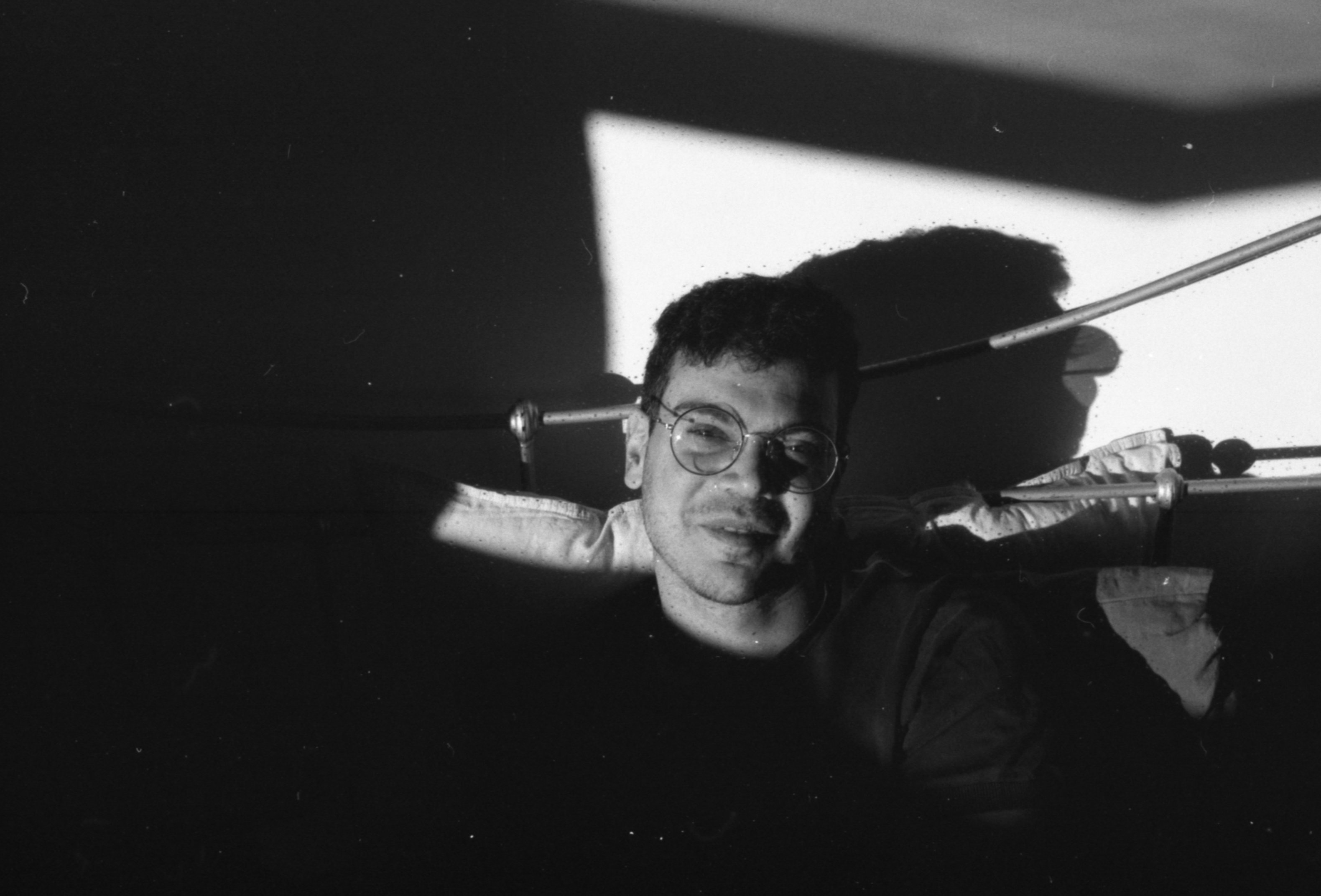
Profile
Pietro Francesco Pingitore is a filmmaker and visual anthropologist whose work explores collaborative and performative approaches to realism (transformative and participatory realism) with marginalised lives and places sacrificed by main urban centres of knowledge and policy production.
His practice bridges sensory documentary and fictional filmmaking with decolonial participatory methodologies tracing entangled narratives of place, memory, marginalisation and resistance.
He holds an MA in Visual Anthropology from Goldsmiths, University of London, and has presented his work internationally, including at the Society for Visual Anthropology Film Festival, the RAI Film Festival, the Athens Ethnofest, Freiburger Filmforum, the Beijing Short International Film Festival and the Forum Film Dokumenter.
His past research has focused on the medium of sensorial documentary as means to explore the tensions enacted by the reproduction of the nature/culture divide, the concept of the wild is still a focal point in his work conceived as a dimension in which colonial narratives waste and marginalise concepts and beings that do not take part in their agenda. An important focus of his research is the exploration of the documentary/fiction taken as a reproposition of the nature/culture divide in western visual culture.
Pietro is currently a PhD candidate in the practice-based Film Studies program at Queen Mary University of London.
While academic research often reproduces extractivist dynamics by treating communities as sources of cultural data to be consumed at the mercy of metropolitan institutional metabolism, Pietro’s work seeks to disrupt these mechanisms through collaborative storytelling and performance in places of margin in which a new creative platform is installed as new center not to represent a dimension of nature embedded in colonial narratives but
to create a new speculative/narrative dimension collaboratively constructed to situatedly explore themes at the dynamic intersections between ecological healing, monstrosity, structural violence, and fear.